

| Other names: |
Daucus carota |
| Popular varieties: |
Adelaide AGM and Flyaway |
| Interesting fact: |
A story in World War 2 was created by the government that soldiers
and pilots were fed lots of carrots to help them see in the dark –
all to protect the invention of the radar! |
| Nutritional value: |
Full of vitamin A, other vitamins and minerals; good for eyesight,
skin, hair and brain |
| When to grow: |
Late winter or early spring |
| Grown from: |
Seeds
in pots
and planted out when strong enough |
| Likes: |
Open and sunny site; sandy, light and well-drained soil; growing
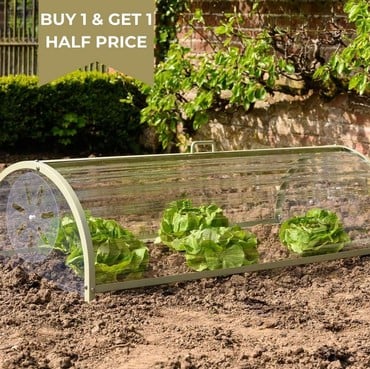
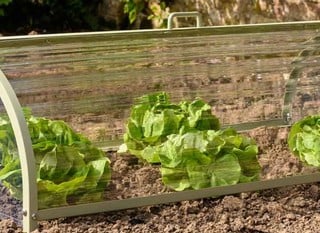
in a deep ground; being kept warm early on with polythene
or cloches;
hot weather; regular weeding; mesh
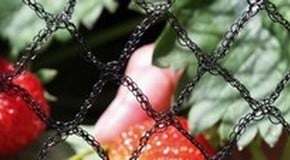
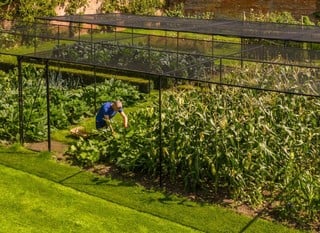
netting to protect against the carrot root fly |
| Dislikes: |
Carrot root fly & aphids |
| Harvest time: |
Mid May until mid March |
| Watch out for: |
Tiny holes in the carrots – a sign of the carrot root fly |
| Cooking tips: |
Eat raw, in salads, boil or steam them before serving with a meal |
| |
| > |
Carrots can be grown most of the year. Nantes and globe shaped
carrots are ready to eat during the summer; Autumn King varieties
can be harvested in the autumn. Late autumn to early winter are
good times to harvest stump rooted Chantenay types, while long rooted
Berlicum varieties like Camberley are best harvested during winter
and spring.
|
| > |
For something different try coloured carrots. Carrots are not always
orange - you can get purple, yellow, white and purple carrots with
orange insides. |
| > |
Choose a sunny spot to plant carrots. If your soil is heavy or stony
choose short rooted varieties. |
| > |
Seed
should be sown straight into the earth. To grow well, the soil needs
to be light, well drained and deep. Sow seed as thinly as possible
about 1cm (0.5”) deep and cover lightly. Baby carrots from a
spring sown crop can be harvested as early as June. |
| > |
If the ground is very dry, water well before digging up roots. |
| > |
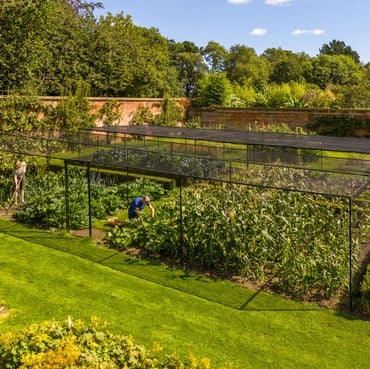
Carrot fly can be a big problem. Avoid it by taking simple measures
such as using a long lasting fine mesh netting like our insect-mesh
netting over
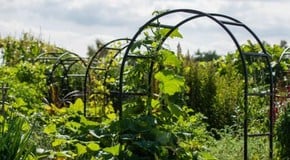
hoops that also prevents caterpillars and birds. It’s also
a good idea to grow onions next to carrots. The scent of onions is
said to mask the smell of carrots and stops the carrot flies from
laying their eggs. Growing marigolds or love-in-a-mist between rows
of carrots can also help hide the carrot smell. |
| > |
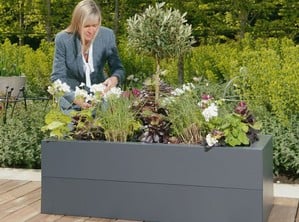
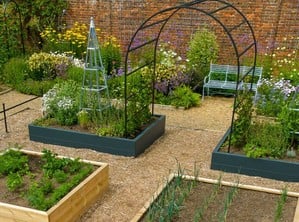
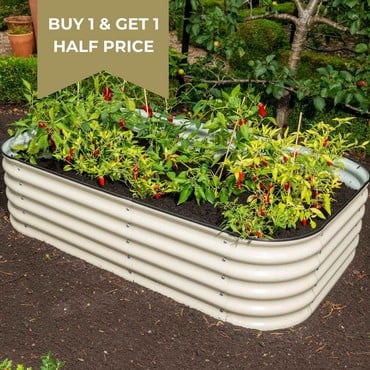
Use raised
beds - carrot flies fly close to the ground, and do not fly upwards
over obstacles. Raised beds also keeps the soil warmer and retains
moisture that saves on watering. Covering early crops with fleece
or using fleece
tunnels will also help, especially in the winter. |
| > |
Sow quick growing types like Nantes which have to be sown in June.
This avoids the main egg laying period. There are also some varieties
which are more resistant to carrot fly such as Resistafly or Flyaway. |