
Hand
forks, hand trowels and digging fork
Long
Tom Pots , Spud
Tub or Strawberry
Tub for the perfect environment to create a bumper crop.
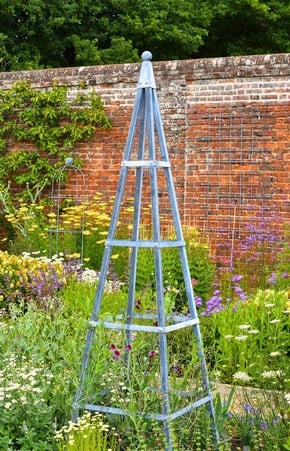
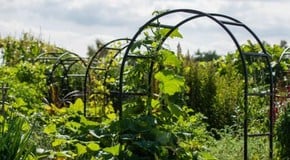
Obelisk
for your peas and beans to climb up.
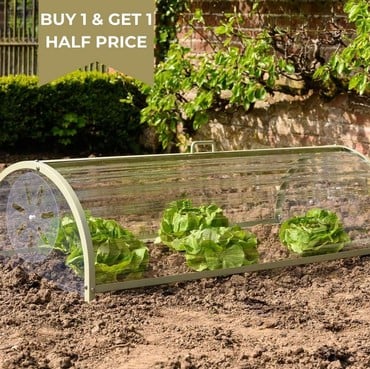
Fleece
to protect your plantings against any adverse weather and pests.
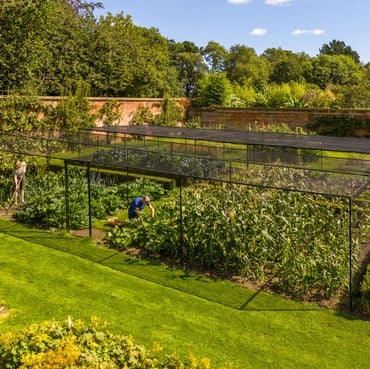
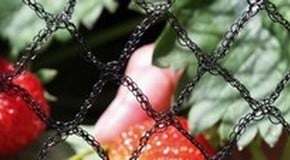
Mesh
or anti-bird
netting to keep out predators of the plants.
Slug
Barriers such as copper tape or biological pest control.
Watering
can with a fine rose.
Planting out is a gardening term used to refer to the way in which plants
that have been growing in a greenhouse or in pots are planted into their
permanent home.
Perennial plants such as strawberries or raspberries can be planted out
at any time as long as they have been hardened off.
Half hardy annuals such as peas and beetroot can be planted out in
mid to late spring after being hardened off.
Annuals such as lettuce and beans can be planted out in late May,
early June when there is no longer any danger of frost. They can
be planted out earlier but should be covered over with fleece if frosts
are forecast.
• Give the plants due to be planted out a good
watering beforehand.
• Make sure the planting area is thoroughly dug over and any perennial
weeds such as nettles removed.
• Dig a hole which is slightly bigger than the container the plant
is currently living in.
• Gently ease the plant out of the container. Gently knocking
on the sides of the container will help. Any roots that are growing
through the holes at the bottom should be encouraged to slide back through
the holes as the plant is lifted out.
• Look at the plant when it is taken out of the pot. If the
roots are growing in circles around the edges of the root ball, it
is becoming root bound. Very gently tease out the main roots so that
they are encouraged to grow outwards into the soil.
• Put the plant into the hole and add soil around it to fill in
any gaps. Firm down the soil. Give the plant some water.
• Tall plants may need someone to hold them steady in the hole while
planting is underway.
• Keep watch over the newly planted vegetables and make sure they
do not dry out.
If the new plants such as lettuce are vulnerable to slugs,
add a slug barrier at this point. This will discourage the slugs from
getting too close to the plant and eating the stems.
Potatoes should be planted half way down a potato barrel
and soil added as they grow. This will earth up the growing plant
and encourage more tubers to grow.
Obelisks and growing supports should be in place before a young pea
or bean plant is put into the ground. Have string or raffia at hand
ready to tie the plant onto its new support.
Strawberry pots need to be filled with compost and the plants placed
into the holes in the sides of the pot. More plants can be put at
the top of the pot. They will spread and grow downwards. The
size of the strawberry pot will determine how many plants can be inserted.
Aim for one plant per hole plus two or three at the top.