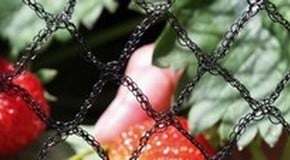
Netting
to protect against birds, butterflies, deer, rabbit,
carrot root fly, cabbage root fly and caterpillars.
Biological
Pest Control varieties available to defeat slugs,
vine weevil, aphids, whitefly and spidermite.
Slug
Barriers such as copper tape, copper rings, collars,
shocka mats, mulch mats and Nemaslug biological pest control.
Cabbage
Collars to deter cabbage root fly.
Fruit
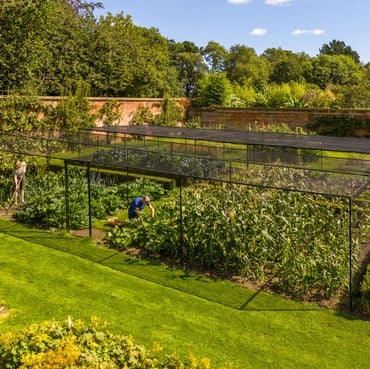
Cage will totally enclose the space with netting supported
by uprights.
Ladybird
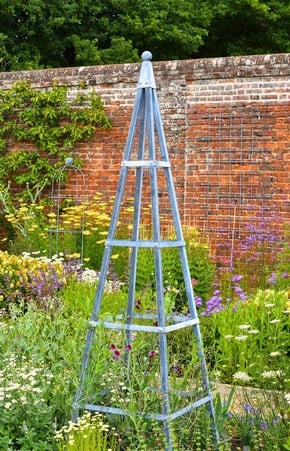
Tower attracts ladybirds to fight the aphids.
Grazers
rabbit control stimulates plant growth and rabbits dislike
the taste
Potential Threat
Can cause damage on the surface of the soil and eat young stems and
leaves.
Prevention Methods
• Mulch mats and slug barriers will discourage slugs and snails
from going near plants.
• Slug traps can be baited with milk. They will attract the
slugs which fall in and drown. The contents will need removing at
regular intervals.
• A biological pest control can be used which kill slugs underground
where 95% of slugs are to be found. These comprise of adding
tiny nematodes which are already naturally available in the soil.
They are prey on different types of insect pests. They are totally
safe for children to use and cause no damage to wildlife.
Potential Threat
Growing tips can be eaten by pigeons. Other birds sometimes attack
young plants, but pigeons are the worst offenders.
Peas, beans, broccoli and pak choi are particularly attractive
to pigeons. All birds enjoy snacking on soft fruit such as strawberries
and raspberries while starlings are very keen on cherries.
Prevention Methods
• Cover vulnerable plants with anti-bird netting or more specifically
an anti-pigeon netting for the pigeons themselves.
• Humming lines can be placed around and across vulnerable crops.
These need to be taut. They make a constant low pitched noise as breezes
pass across them which deters birds.
• Large quantities of soft fruits or vulnerable vegetables can be
protected using a fruit cage. This is a totally enclosed space
made of metal poles upon which netting is fixed.
• Bird scarers - these need to be something which moves and
makes a noise. Try compact discs tied to bent over poles; or
plastic shopping bags tied to poles which will rattle in the wind.
Potential Threat
Seeds may be dug up by mice and rats and then eaten. They will do
this to newly planted seeds as well as young seedlings. The young
seedlings will be scattered around the seed tray or vegetable plot and
the seeds at their base will have been eaten.
They are especially fond of sweetcorn, pea and bean seeds.
Prevention Method
Cover seeds and young seedlings with netting.
Potential Threat
• Rabbits are a big problem in country areas. They may look
fluffy and cute but cause massive problems if you are growing vegetables.
• Rabbits scratch the earth and dig it up. Newly cultivated
soil is attractive as it is easy to dig. Seeds that have been planted
are dug up and scattered.
• Rabbits will eat leafy growth and stems. They will eat
almost any young crops. By eating the growing tips, they
stop the plant from growing.
• Rabbits will eat plants ready for harvesting including onions.
They have even been known to break down sweetcorn and eat the cobs.
They will dig up root crops.
Prevention Methods
• Counteract the threat of rabbits by totally enclosing vulnerable
plants in netting and fences.
• You can water “Graziers” onto plants that rabbits dislike the
taste of and plants find stimulating for growth.
Potential Threat
• Aphids is a general term used to describe greenfly and blackfly.
• They breed in massive numbers - all aphids during the summer
are female. The young grow up in a week and then start to breed themselves.
• Aphids suck the sap from plants, and in so doing weaken the
plant. They pass on viruses which attack the plant.
Prevention Method
• Ladybirds are the best deterrent. Put up a ladybird tower
to encourage ladybirds to live in the vicinity. They will eat large
quantities of aphids each day. Also encourage hoverflies and lacewings.
• Use a biological pest control to introduce ladybirds into your
area.
There are flies which cause problems for specific crops. Most common
are spidermite, onion fly, carrot fly, cabbage root fly
and flea beetle.
Potential Threat of Spidermite
Spidermite mainly attacks tomatoes, strawberries and cucumbers.
Leaves turn yellow then brown. Leaves seen under a microscope
look like threads on a spiders web.
Prevention Method
Use a biological pest control and add tiny nematodes to those that already
naturally exist in the soil. These will prey on the spidermite. They
are totally safe for children to use and cause no damage to wildlife.
Potential Threat of Onion Fly
An attack of onion fly can be recognized by onions or leeks turning
yellow and keeling over. This is caused by maggots eating the plant
roots and then eating the bulbs.
Prevention Methods
• Grow companion crops to affect the insect's sense of smell
- carrots, marigolds, nasturtiums, etc.
• Instantly remove any plants affected by the pest.
• Practice crop rotation so that the pest does not build up in the
soil.
Potential Threat of Carrot Fly
Carrot fly attacks can be recognized by discoloured and wilting foliage.
Grubs eat the roots.
Prevention Methods
The flies cannot fly high so:
• Grow under a layer of fleece.
• Put a barrier of polythene around the plants, or grow in a
raised bed.
• Time sowings to avoid peak hatching periods - sow in
early summer rather than spring.
Potential Threat of Cabbage Root Fly
These will attack all types of brassicas including kohl rabi and cauliflowers.
Plants may wilt and die. White grubs can be seen around the roots.
Prevention Method
Collars fixed around plant stems are a deterrent.
< Back to the Simple Guide |