Pollinating Bee Log or
bumblebee
nesting box provide a habitat for these pollinators.
Ladybird
log tower or
lacewing/ladybird
tower will see off the aphids.
Toad
House allows the common toad to eat slugs, insects and larvae.
Sparrow
Flats
Nest
Box to attract an array of birds.

Many insects can help a gardener and these should be encouraged into
the vegetable plot. Birds too like greenfly and insect grubs. Putting
up nest boxes will quickly bring robins, sparrow, bluetits and thrushes
into the area.
Ladybirds, lacewings, hoverflies and bees are essential to the success
of any crops.
Bees will pollinate flowering crops like peas, beans and herbs. This
encourages more flowers and pods to emerge.
Ladybirds, lacewings and hoverflies attack aphids which prey on crops
like peas, beans, cabbages and lettuce. They need to eat massive quantities
of the insects in order to survive.
All these insects can be easily attracted into the
garden. Ladybird towers and insect homes can be erected around the plot.
Allow some dead nettle to grow in small clumps. Non stinging, it houses
an aphid which does not prey on other plants - but makes a good meal for
ladybirds. This will encourage ladybirds to stay in the area and deal
with other types of aphid as well.
- A Bee log will encourage Mason bees which do not swarm and are not
aggressive so are less likely to sting - but they will pollinate the
vegetables and herbs.
- If you have a damp corner, try encouraging toads to live in the
area. They will enjoy meals of slugs, insects and lavae. Toads need
shelter and dampness.
- Grow a wide range of plants in the vegetable area. Companion planting
is a traditional method of deterring pests. Growing onions and carrots
together can distract the ability of the pests to find the vegetables.
Celery, fennel, corn salad and tomatoes can also be grown in the same
area giving protection to each other against predators.
- Flowering plants should not be ignored. They are essential to encourage
aphid predators. Bees feed on nectar and pollen and in so doing pollinate
crops and flowers. Attract them by growing some plants which give
a good, rich source of nectar.
- Hoverflies love marigolds. Plant some in between vegetable crops.
Remove the dead flowers as soon as they have finished flowering to
encourage more flowers to appear. The hoverflies will be attracted
to the marigolds - and will also enjoy a meal of neighbouring aphids!
- Other good companion plants include herbs like dill, lavender, lemon
balm, sage, marjoram, anthemis, love in a mist, cornflowers, poppies
and nasturtiums. If you have no space in the vegetable plot itself,
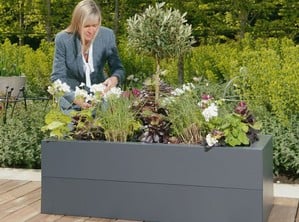
plant up a couple of containers with some flowering plants. Move these
around as necessary.
- At the end of the season collect seed for sowing next year. Seed
should only be collected from the best, disease free plants. Allow
the seed to dry naturally on the plant before collecting it. Keep
it dry and in sealed containers and it will survive well.