
Trowels
and digging forks are useful tools for loosening soil and
plants when pulling from the earth.
Tubtrugs and a harvest
collection bag are both useful for collecting the bountiful
crop.
Harvesting should be done whenever crops are ready.
Growing instructions on seed packets will give an indication as to when
crops should be harvested. Follow these carefully.
Many vegetables such as carrots, beetroot, turnips and cabbage
can be harvested when small to be used as baby vegetables. This
helps to thin out vegetables allowing the remainder of the crop to grow
to full size.
When preparing to harvest have a strong container at hand such as a versatile
tubtrug. It needs to be capable of being wiped clean as it will get
dirty from the soil. Scissors or a knife may be needed. Trowels
and digging forks may also be needed.
- Root crops will need to be dug up using a digging fork. Take
care not to put the fork through the roots of crops like potatoes.
Loosen the potato plant and then pull from the earth, gently digging
over the soil underneath. This will bring to the surface the potato
tubers. Make sure the soil is checked carefully as small potatoes
can easily be missed.
- Always loosen the soil around the plant first before trying to pull
it from the earth.
- Crops like turnips, beetroot and radish will only need a small
trowel to lift them from the soil. Lettuce leaves will need to
be cut or gently picked. Whole lettuces can be pulled up, but
the roots will need to be cut away.
- Peas and beans can be harvested by hand. Picking needs to be
done on a regular basis as the more you pick, the more pods will
appear. Gently twist the pod from the stalk, or break the
stem using finger and thumb.
- If possible harvest lettuce and salad vegetables early or late
in the day when they are at their coolest. This will help them
stay fresh.
- Onions, garlic and shallots should be dug up and left on the
ground, in the sunlight for a few days. This will allow them
to dry off.
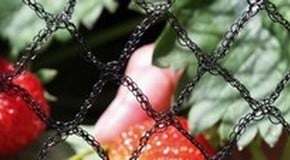
- When harvesting soft fruit such as strawberries, place them
very gently into their container. They bruise easily. If bruised,
they will go bad quickly.
- Store vegetables in a cool place. Most will only keep for a
few days after harvesting so should be used as quickly as possible.
- Carrots, turnips, beetroot, Swedes and parsnips can
be left in the soil during early winter. Cover with straw
or fleece to keep the ground frost free. This will make it easier
to lift when needed.
- Onions, garlic and shallots can be hung in nets or plaited
into strings. If they get damp, they will start to grow again.
- Herbs such as mint, basil and oregano can be dried for use later
in the year. Pick leaves for drying on a sunny day. Pick only
undamaged leaves. Place them on a baking tray and allow them
to dry in a pre-warmed oven. When they are dry and crisp to
touch, rub the leaves between fingers. This will break down the
leaves. Put into containers.
- Long stems of herbs can be tied together and hung upside down in
a warm dry place. When dry, take down and break up the leaves
to go into containers.
< Back to the Simple Guide |